Acrylic vs Metal vs Wood Awards: Choosing the Best Material for Trophies and Plaques

March 23, 2026

Choosing the right award material is one of those decisions that’s easy to overlook—until the wrong choice shows up on presentation day. A trophy that feels flimsy undercuts the achievement it’s meant to celebrate. One that’s too heavy creates shipping headaches. And one that doesn’t match the event’s tone can feel out of place, no matter how well it’s engraved.

The three most widely used materials in award manufacturing are acrylic, metal, and wood. Each has genuine strengths, specific use cases where it excels, and situations where another material would serve better. This guide breaks down the key differences so that by the end, the right choice for your event, budget, and audience will be clear.

Why the Material of an Award Matters More Than Most Buyers Realize

How Material Choice Affects Durability, Appearance, and Longevity

An award is meant to last. Recipients display them on desks, mount them on walls, and keep them for years. That means the material needs to hold up over time—resisting scratches, moisture, and general wear without losing its appearance.

Beyond durability, material directly shapes how an award is perceived. A heavy metal trophy reads as prestigious and serious. A sleek acrylic piece signals modernity and creativity. A polished timber plaque carries warmth and tradition. None of these impressions are wrong—they’re just different, and matching that impression to the occasion matters.

Cost, customization capability, and shipping logistics also shift significantly depending on material. Understanding these differences upfront prevents last-minute surprises when ordering at volume.

The Three Most Common Materials Used in Custom Awards

The trophy and recognition industry relies primarily on three core materials:

  • Acrylic — a lightweight, transparent or colored thermoplastic suited to modern, design-forward awards
  • Metal — typically aluminum, zinc alloy, or steel, used for die-cast trophies, medallions, and premium plaques
  • Wood — solid timber or MDF with timber veneer, commonly used for traditional engraved plaques and corporate recognition pieces

Each material has distinct manufacturing requirements, price points, and visual characteristics. The sections below cover them in detail.

Acrylic Awards: Modern Design and Customization Flexibility

Why Acrylic Has Become One of the Most Popular Materials for Event Awards

Acrylic has become a dominant material in the awards industry for straightforward reasons: it’s versatile, cost-effective at scale, and visually striking. Its glass-like clarity gives finished pieces a premium appearance without the fragility or expense of actual glass.

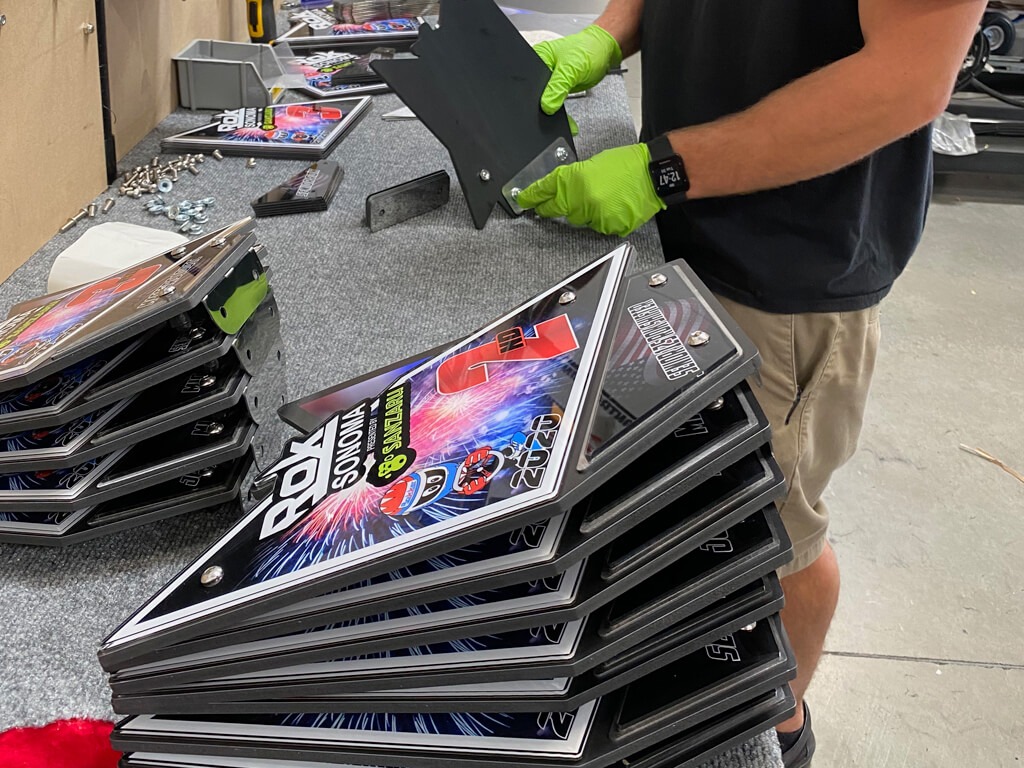
Acrylic trophies work particularly well for tech companies, creative industries, corporate events, and any occasion where a contemporary aesthetic is the goal. They accept full-color digital printing with precision, making them a strong choice when branding, logos, or detailed artwork need to be reproduced accurately. For a closer look at what’s available in this category, Acrylic Plate Awards offer a range of formats suited to both individual recognition and bulk event orders.

Durability, Weight, and Visual Impact of Acrylic Trophies

One of the practical advantages of acrylic is shatter resistance. Unlike glass, acrylic flexes slightly under impact rather than breaking. This makes it significantly safer to handle during events and more forgiving during transport.

The lightweight construction also reduces shipping costs—a meaningful factor when ordering 50, 100, or 500 awards for a large event. Recipients can transport acrylic trophies easily, and the risk of damage in transit is lower than with heavier materials.

Visually, acrylic catches light in a way that makes it stand out on a display table or shelf. It can be cut into virtually any shape, laser-engraved with fine detail, printed with vibrant color, or combined with colored backing for added depth. For buyers prioritizing customization flexibility, acrylic is difficult to beat.

Limitations to consider: Acrylic can show surface scratches over time, particularly on high-gloss finishes. It also carries less perceived “weight” in a ceremonial sense—which may matter for top-tier recognition programs where gravitas is important.

Metal Awards: Premium Weight and Industrial Durability

How Metal Awards Are Manufactured and Finished

Metal trophies and plaques are typically produced through casting, stamping, or CNC machining, depending on the design complexity and volume required. Die-casting is common for high-detail figurines and medallions, while aluminum plate awards are often milled or laser-engraved.

Finishing options include polished chrome, brushed silver, antique bronze, and powder-coated color. The manufacturing process for metal awards is generally more involved than acrylic, which is reflected in higher unit costs—particularly for complex or low-volume orders.

When Metal Trophies Are the Right Choice for Competitive Events

The weight of a metal trophy is part of what makes it feel significant. When someone lifts a cast metal award, the physical heft communicates achievement in a way that lighter materials can’t replicate. This matters most in contexts where recognition is highly competitive—sporting championships, industry awards, and prestige recognition programs.

Metal awards are also exceptionally durable. A well-made metal plaque or trophy can last decades without meaningful deterioration. For custom awards intended as long-term display pieces or career-milestone recognition, metal offers longevity that other materials rarely match.

Limitations to consider: Metal awards are heavier, which increases both shipping costs and the risk of damage during transit if packaging isn’t robust. Unit costs are higher, making metal less practical for large-volume events where budget is a primary constraint.

Wood Awards and Plaques: Traditional Recognition Styles

Why Wood Plaques Remain Popular for Corporate and Academic Awards

Timber has been used in recognition for centuries, and for good reason. Wood carries a warmth and permanence that modern materials don’t naturally replicate. A well-crafted wooden plaque mounted on a wall reads as authoritative and enduring—qualities that align well with corporate achievement, academic distinction, and long-service recognition.

Wood plaques are a staple in industries like law, finance, education, and real estate, where traditional presentation still carries significant weight. Engraved timber plates with brass or silver engraving inserts remain a standard choice for annual award programs and board-level recognition. Plaque Awards in timber formats remain consistently popular for exactly these environments.

Wood Plaques vs Modern Materials: Appearance and Longevity

Wood’s natural grain gives each plaque subtle variation—no two pieces look identical. This quality can be an advantage for premium recognition pieces where a handcrafted feel is desirable.

Longevity is generally strong for quality timber awards, though wood is more sensitive to humidity and temperature changes than acrylic or metal. In environments with significant climate variation, solid timber can warp or crack over time, whereas MDF-core plaques with timber veneer offer better stability at a lower price point.

Wall-mounted display is where wood awards perform best. They sit naturally in office and institutional settings, complementing traditional décor without looking out of place.

Limitations to consider: Wood offers fewer design format options than acrylic. Complex shapes and three-dimensional forms are more difficult to achieve with timber. Full-color printing is possible but less common—most wood awards rely on engraving or applied metal plates for personalization.

Comparing Acrylic vs Metal vs Wood Awards Across Key Factors

Durability Comparison: Which Material Lasts the Longest

For outright durability, metal leads. Cast and machined metal awards resist impact, scratching, and environmental exposure better than either acrylic or wood. They’re the strongest trophy materials available and the most likely to survive decades of display without visible aging.

Acrylic is highly durable in everyday conditions—shatter-resistant and stable—but shows surface wear more readily than metal over extended periods. Wood performs well in stable environments but is more vulnerable to moisture and temperature fluctuation.

Visual Style: Modern vs Classic Award Designs

  • Modern acrylic awards — clean lines, glass-like clarity, suited to contemporary branding and events
  • Metal trophies — ceremonial and weighty, suited to competitive recognition and prestige programs
  • Classic plaque awards — traditional, warm, suited to corporate, academic, and institutional contexts

The visual style question often answers itself once the event type and audience are defined.

Weight and Presentation Impact

Weight affects both shipping costs and the experience of receiving an award. Metal trophies carry the most ceremonial presence when handed to a recipient. Acrylic offers a premium look at a fraction of the weight. Wood sits between the two—heavier than acrylic, lighter than solid metal.

For large events where awards are distributed to dozens or hundreds of recipients, the weight difference between acrylic and metal becomes a significant logistical factor.

Cost Differences Between Acrylic, Metal, and Wood Awards

Material Costs and Manufacturing Complexity

Acrylic is generally the most cost-effective of the three materials for custom awards, particularly for flat or shaped plate formats. The manufacturing process is streamlined, and digital printing technology allows detailed customization without significant additional cost.

Metal awards carry a higher base cost due to more complex manufacturing processes. Die-casting, finishing, and quality control requirements all contribute. The cost of custom metal trophies scales more steeply with design complexity than acrylic.

Wood plaques occupy a middle ground. Standard formats with engraved plates are competitively priced, but premium solid timber with intricate work can approach the cost of entry-level metal awards.

How Order Quantity Impacts Award Pricing

Across all three materials, unit costs decrease meaningfully at higher volumes. Bulk trophy pricing reflects the fixed setup costs—artwork preparation, tooling, and programming—being spread across a larger order.

For large events requiring 50 or more identical awards, acrylic typically offers the best cost-per-unit performance. Metal and wood become more competitive at smaller quantities, particularly for premium recognition pieces where per-unit cost is less of a concern. Exploring custom award options is the most practical way to get accurate pricing for a specific order size and material.

Shipping and Logistics Considerations for Different Award Materials

How Weight and Packaging Affect Shipping Costs

Shipping cost is directly tied to weight and fragility. Metal awards, particularly cast trophies, are the most expensive to ship—both because of weight and because individual packaging requirements are higher to prevent damage in transit.

Wood plaques require careful packaging to protect engraved surfaces and corners, adding packaging material and weight. Acrylic awards, while still requiring protective packaging, are light enough that even large shipments remain manageable.

Why Lightweight Acrylic Awards Are Often Preferred for Large Events

For event organizers shipping awards to multiple locations, or attendees expected to carry awards home, the weight advantage of acrylic is practical. Acrylic Plate Awards are a common solution for large conferences, sporting events, and recognition programs where logistics are as important as aesthetics.

The lower risk of damage in transit is also a factor—replacing damaged metal or wood awards close to an event date can be costly and stressful.

Customization Options for Acrylic, Metal, and Wood Awards

Engraving, Printing, and Etching Capabilities by Material

Each material supports different customization methods:

  • Engraved acrylic awards — laser engraving produces crisp, permanent text and artwork; UV printing allows full-color reproduction directly onto the surface
  • Engraved metal trophies — laser engraving, rotary engraving, and chemical etching are all options; finishes like brushed or polished metal add contrast to engraved detail
  • Engraved wood plaques — laser engraving is the standard method; applied brass or silver engraving plates are common for a more traditional appearance

Logo Placement and Design Flexibility

Acrylic offers the most flexibility for logo placement and custom shape cutting. Complex outlines, dimensional layering, and full-bleed color printing are all achievable. Custom logo trophies in acrylic can match brand guidelines precisely.

Metal is better suited to embossed or debossed logo work, giving a tactile quality that printed materials can’t replicate. Wood accepts laser-engraved logos cleanly, though the level of detail is limited compared to acrylic printing.

How to Choose the Best Award Material for Your Event

Matching Materials to Event Style, Budget, and Audience

The right material comes down to three questions:

  1. What impression should the award create? Prestige and ceremony point toward metal. Modernity and design flexibility point toward acrylic. Tradition and institutional warmth point toward wood.
  2. What is the budget per unit? Acrylic is most cost-effective at volume. Metal and wood suit smaller runs where per-unit cost is less constrained.
  3. How will awards be transported? If recipients are traveling or awards are being shipped in bulk, acrylic’s weight advantage is significant.

Common Scenarios Where Each Material Works Best

Acrylic awards — technology conferences, marketing and creative industry events, large-scale corporate recognition programs, sporting events with high participant numbers, academic achievement awards at scale

Metal trophies — motorsport and racing events, championship competitions, industry association awards, prestige corporate recognition where the physical weight of the trophy is part of the experience

Wood plaques — long-service recognition, board-level corporate awards, academic excellence programs, legal and financial industry recognition, annual award programs with a traditional format

For most buyers, the decision becomes straightforward once these factors are mapped against the event. A racing championship calls for metal. A 500-person tech conference calls for acrylic. A 25-year service award for a law firm calls for timber.

Making the Right Call for Your Awards Program

The comparison between acrylic, metal, and wood awards isn’t about which material is objectively best—it’s about which is best suited to a specific event, audience, and budget. Each material has a role it fills well.

Acrylic leads on customization flexibility, cost-efficiency at volume, and logistical simplicity. Metal leads on durability, ceremonial presence, and long-term prestige. Wood leads on warmth, tradition, and institutional gravitas.

For buyers still deciding, exploring the full range of available formats is a practical next step. Acrylic Plate Awards, Plaque Awards, and broader custom award options each represent a different material approach, and browsing specific products often clarifies the decision faster than any comparison guide.

The best award is the one that feels right when the recipient picks it up—and that starts with choosing the right material.


Ready To Get Your Event Awards Started?

Elevate your event with FREE Design & Fast Shipping custom acrylic awards & trophies! Order high-quality, custom designed acrylic plate awards plaques and trophies for sports, racing, and more. Fast shipping, affordable prices.

Learn More
Blog post Image
Blog post Image