Most people who receive a trophy or custom award spend very little time thinking about how it was made. They notice the finish, the engraving, the weight of it in their hands—but the process that produced it remains invisible. That’s exactly how good manufacturing should work.
Behind every polished acrylic panel, every laser-engraved name plate, and every precision-cut metal component is a production workflow that blends digital design with hands-on fabrication. Understanding that process helps you make better decisions when ordering awards for your next event, corporate milestone, or recognition program.
This guide walks through the complete custom award manufacturing process—from the first design concept to the finished product ready for shipping. Whether you’re ordering a single fully custom piece or a large run of event awards, the same core stages apply.
For the buying-side decisions this production process serves, see the trophy and award guides.
The Modern Trophy Production Process: From Design to Finished Award
Before any material is cut or printed, a significant amount of work happens on-screen. The trophy production process begins with design, and the decisions made at this stage shape everything that follows.
How Custom Award Concepts Are Designed Before Production Begins
Custom award design typically starts with a brief—what the award is for, who will receive it, what branding needs to be incorporated, and what format the final piece should take. From there, a designer creates a visual mockup, often using vector-based software like Adobe Illustrator.
This mockup serves two purposes. First, it gives the client something to approve before production begins. Second, it becomes the technical file that guides the machines. The same artwork used in the mockup will later be converted into cutting paths, engraving coordinates, or print-ready files depending on the production method.
How Artwork, Logos, and Event Details Are Prepared for Production
Once a design is approved, the artwork needs to be prepared for each specific manufacturing process. A logo destined for UV printing requires a high-resolution file with color profiles set for the printer. The same logo destined for laser engraving needs to be converted to a grayscale or vector format that the engraving machine can interpret.
Event details—names, dates, event titles—are added at this stage, often as editable text fields that can be updated for each individual recipient without rebuilding the entire file. This preparation step is where errors are most likely to be caught before they become expensive mistakes on finished materials.
Acrylic Award Manufacturing: Laser Cutting and Precision Shaping
Acrylic is one of the most widely used materials in modern award production, and understanding how it’s processed helps explain why it’s so well-suited to custom applications.
How Laser Cutting Creates Clean Edges and Complex Acrylic Shapes
Laser cutting works by directing a focused beam of light at the acrylic sheet, heating the material along a precise path until it cleanly separates. The cutting path is driven by the digital design file, which means complex shapes—curves, cutouts, angled edges—can be produced with a high degree of accuracy and repeatability.
One of the defining characteristics of laser-cut acrylic is the edge finish. When the laser cuts through clear acrylic, it produces a naturally polished edge that catches and refracts light. No secondary polishing step is required. This optical clarity is part of what gives high-quality acrylic awards their distinctive appearance.
Laser cutting also allows for internal engraving within a solid acrylic block. By adjusting the laser’s focal point, manufacturers can engrave beneath the surface of the material, creating a frosted, three-dimensional effect that appears to float inside the piece.
Why Acrylic Is One of the Most Popular Materials for Modern Awards
Acrylic offers a combination of properties that few other materials can match at scale. It’s lightweight, which reduces shipping costs. It’s durable enough to resist cracking and fading under normal conditions. It accepts printing and engraving well, and it can be produced in a wide range of thicknesses, colors, and finishes.
For events that require a large number of identical awards with consistent quality, acrylic is practical. For premium recognition pieces where visual impact matters, it delivers. Acrylic Plate Awards are a strong example of how this material balances clean aesthetics with straightforward production.
Metal Award Fabrication and Structural Components
Not all trophies are made from a single material. Many custom awards combine acrylic panels with metal components—bases, hardware, decorative elements—that add weight, structure, and a premium feel.
How Metal Components Are Cut, Formed, and Finished
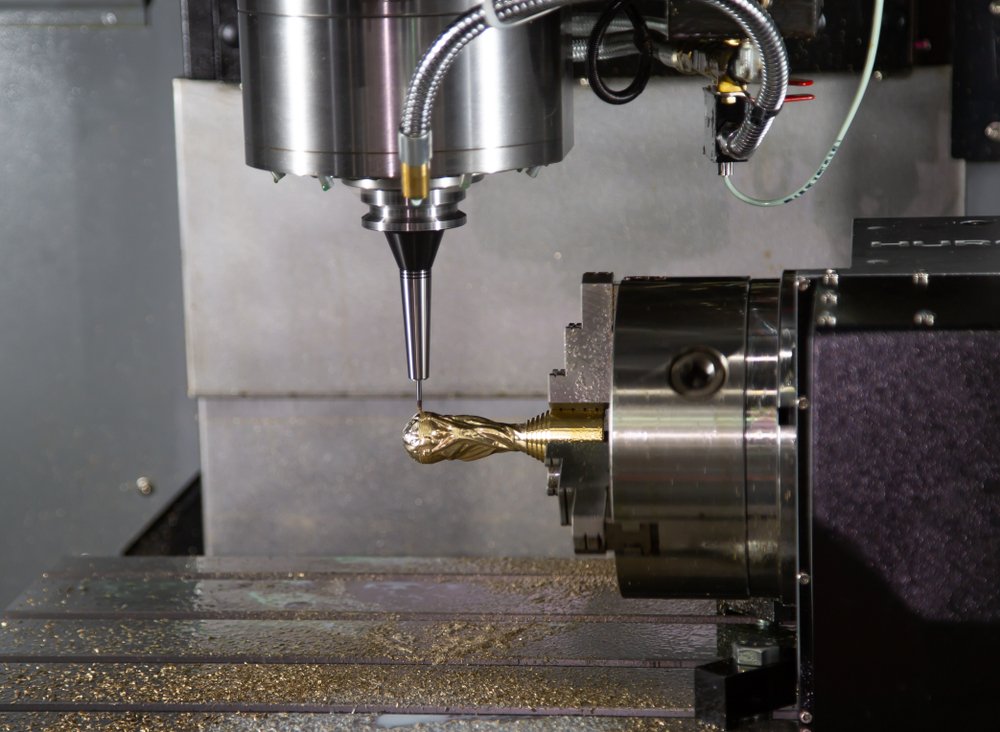
Metal components used in trophy production are typically made from aluminum, zinc alloy, or steel, depending on the application. Sheet metal pieces are cut using laser cutters or CNC (computer numerical control) routers, both of which follow digital design files to produce precise shapes with clean edges.
After cutting, metal parts may go through a forming process—bending, stamping, or casting—to achieve the required shape. Once formed, the surface is finished. Common finishing options include brushed, polished, anodized (for aluminum), powder coated, or electroplated in gold, silver, or bronze tones. Each finish changes both the appearance and the durability of the final component.
When Metal Is Used in Custom Trophy Construction
Metal tends to appear in awards where physical weight and permanence are part of the design intent. A heavy base, a cast figurine, or an embossed medallion communicates value in a way that lightweight materials simply don’t. Custom Awards that combine metal and acrylic are popular for corporate recognition programs, where the piece needs to feel substantial as well as look refined.
Metal is also used for medals, lapel pins, and branded coins, where the material itself carries symbolic weight alongside its physical properties.
Printing Methods Used for Custom Awards and Trophies
Printing is how personalization and branding get applied to award surfaces. Two methods dominate in trophy production: UV printing and screen printing. Each has distinct strengths.
UV Printing for High-Resolution Logos and Graphics
UV printing uses ultraviolet light to instantly cure ink as it’s applied to the surface. The printer moves across the material, depositing tiny droplets of ink, and the UV lamp cures each layer in real time. The result is a sharp, full-color image with excellent adhesion to a wide range of surfaces—acrylic, metal, wood, glass, and more.
One of the key advantages of UV printing is its ability to reproduce photographic detail and complex gradients without additional setup costs. There are no screens to create, no color separations to manage. The design file goes directly to the printer, which makes short runs and one-off pieces cost-effective.
UV printing can also print white ink, which is critical when applying designs to colored or transparent surfaces where standard inks would lose visibility.
Screen Printing for Medals, Pins, and Event Awards
Screen printing uses a mesh screen with a stenciled design to apply ink layer by layer onto a surface. Each color in the design requires a separate screen, so setup costs are higher than UV printing—but per-unit costs drop significantly at volume. This makes screen printing particularly well-suited to large runs of identical items, like event medals or branded ribbons.
The ink deposits in screen printing are typically thicker than UV printing, which produces a tactile quality that some applications benefit from. Colors are vivid and consistent across large batches, which matters when brand standards require exact color matching. For events distributing hundreds or thousands of awards, semi-custom award options that use screen printing can deliver consistent quality at a manageable cost.
Engraving Techniques Used for Custom Trophies and Plaques
Engraving is what transforms a generic award into a personalized recognition piece. Names, dates, titles, and messages are added through one of several engraving methods depending on the material and the desired finish.
Laser Engraving for Acrylic and Metal Awards
Laser engraving removes material by vaporizing it along a controlled path. On acrylic, this creates a frosted, matte effect against the otherwise glossy surface—clean, precise, and legible at any size. On metal, the laser can remove surface coatings to reveal the base material beneath, or etch directly into the metal depending on its composition.
The trophy engraving process using lasers is largely automated once the file is prepared. Text is input, the machine positions the material, and the engraving runs without manual intervention. This consistency is one of its main advantages—a batch of fifty awards will all carry identical engraving depth and quality.
Laser engraving is also used for logo reproduction. Fine line detail, small text, and intricate graphics all translate well to the process, making it a versatile option across material types.
Etching and Traditional Engraving for Premium Awards
For high-end plaques and presentation pieces, rotary engraving and chemical etching are still used. Rotary engraving uses a spinning cutting tool to carve directly into the material, creating a deeper, more tactile impression than laser engraving. The result has a handcrafted quality that suits formal awards and long-service recognition pieces.
Chemical etching—used primarily on metal—involves applying a resistant coating, exposing a design, and using an acid solution to eat into the unprotected metal surface. The depth and texture produced by etching can be difficult to replicate with other methods, which is why it remains relevant for premium metal awards despite being a slower process.
How Individual Award Components Are Assembled
Cutting, printing, and engraving produce the individual parts of an award. Assembly brings them together into the finished piece.
Mounting Plates, Acrylic Panels, and Metal Hardware
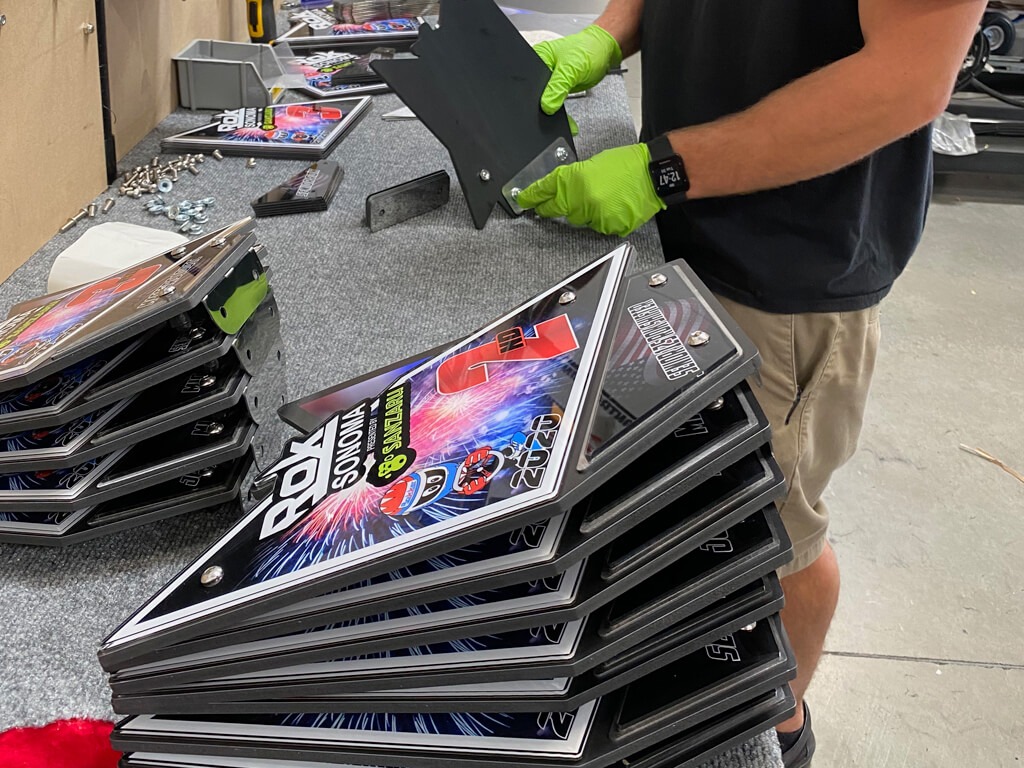
Most multi-component trophies are assembled by attaching engraved or printed panels to a base, then adding any decorative hardware. Adhesives, standoff hardware (small metal posts that hold panels slightly away from the surface), and mechanical fasteners are all used depending on the design.
Standoff-mounted acrylic panels are common in wall plaques and desk awards. The small gap between the panel and the backing creates a layered, dimensional look and allows light to interact with the panel edges. Metal bases are typically attached using threaded inserts and machine screws, which keep the assembly clean from the outside while providing a secure connection.
Quality Control and Finishing Before Shipping
Before any award leaves the facility, it goes through inspection. This includes checking that engraving matches the approved artwork, that colors are consistent, that no scratches or surface defects are visible, and that all components are securely attached.
Protective packaging is applied—acrylic surfaces are particularly susceptible to scratching during transit, so foam inserts, plastic films, and padded boxes are standard for finished awards. Custom presentation boxes are also available for premium pieces, which adds to the perceived value of the award on delivery.
The Difference Between Fully Custom and Semi-Custom Awards
Not every order requires a ground-up custom design. Understanding the difference between fully custom and semi-custom production helps set realistic expectations around cost, lead time, and flexibility.
How Semi-Custom Awards Streamline Production for Large Orders
Semi-custom awards start from an existing template or base design that has already been engineered and approved for production. The customer adds their branding, event details, and recipient names—but the overall shape, material, and construction remain consistent across the range.
Because the base design already exists, setup costs are lower and lead times are shorter. Semi-Custom Awards are a practical choice for sporting events, annual recognition programs, and any situation where a large quantity of awards needs to be produced to a consistent standard without starting from scratch.
When Fully Custom Awards Are the Best Choice
Fully custom production makes sense when the award itself needs to carry a specific message or visual identity that an existing template can’t accommodate. A brand’s first major corporate milestone, an inaugural sporting championship, or an award presented to a keynote speaker at a major conference—these are moments where the trophy or plaque needs to be designed specifically for the occasion.
Fully custom trophies involve more design time, tooling where needed, and a longer production timeline. But the result is a piece that exists nowhere else—one that connects directly to the event or achievement it represents.
Why Manufacturing Methods Matter When Choosing a Trophy Style
The manufacturing method used to produce an award isn’t just a behind-the-scenes detail—it directly affects what the finished piece looks like, how durable it is, how long it takes to produce, and what it costs.
Material, Printing Method, and Production Timeline Considerations
Choosing acrylic over metal changes the weight, the edge finish, and the printing options available. Choosing laser engraving over UV printing changes how logos and text will appear on the surface. Choosing fully custom production over semi-custom affects both the lead time and the minimum order requirements.
These decisions interact with each other. An acrylic award with UV-printed color graphics and laser-engraved text requires a different production workflow than an anodized aluminum plaque with rotary-engraved text. Both are valid approaches—but they suit different applications, budgets, and timelines.
Understanding the basics of how trophies are made helps you ask better questions when discussing a project with a manufacturer, and it helps you evaluate whether a proposed production approach is appropriate for your needs.
Choosing the Right Manufacturing Method for Your Event Awards
The trophy production process is more layered than most people realize—design preparation, material selection, cutting, printing, engraving, assembly, and quality control all contribute to the finished product. Each stage involves specific techniques with specific trade-offs.
For buyers, the practical takeaway is straightforward: match the manufacturing method to the purpose of the award. High-volume event awards with consistent branding suit semi-custom production with screen printing or UV print. Premium recognition pieces for individuals or milestone achievements benefit from fully custom design and premium engraving techniques. Material choice should reflect the visual weight and durability required.
If you’re working through these decisions for an upcoming event or recognition program, exploring acrylic awards, semi-custom award options, and custom awards is a good starting point. Each category reflects a different production approach—and understanding how they’re made helps you choose with confidence.
Ready To Get Your Event Awards Started?
Elevate your event with FREE Design & Fast Shipping custom acrylic awards & trophies! Order high-quality, custom designed acrylic plate awards plaques and trophies for sports, racing, and more. Fast shipping, affordable prices.
Browse Our Trophies & Awards