




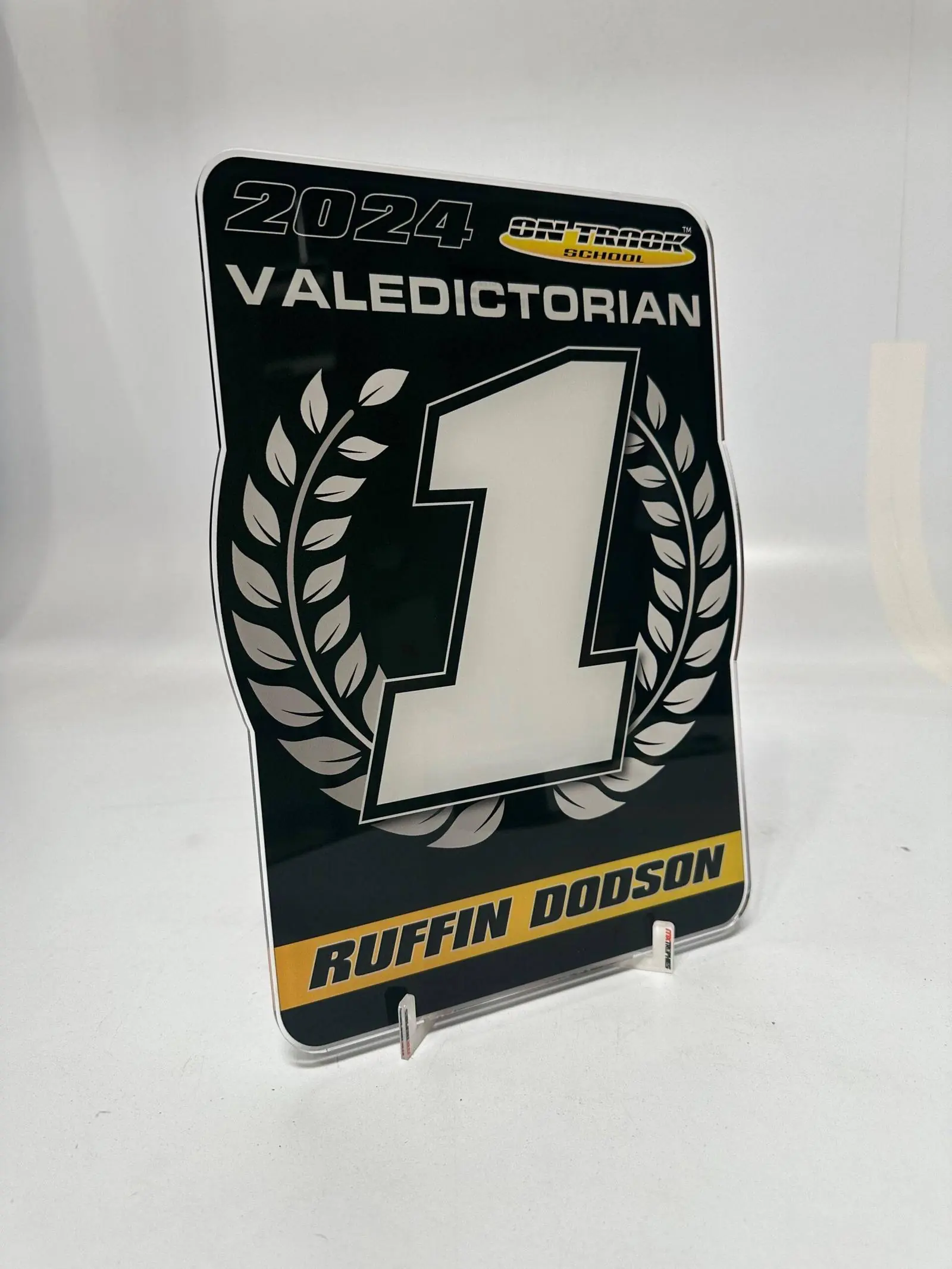
Safety recognition has a problem that no other kind of award has: the achievement is the absence of something. Nobody watched it happen. There is no winning moment, no photograph, and no obvious person to hand a trophy to — just a number of days, or hours, in which nothing went wrong.
That makes it easy to do badly, and a badly run safety award is worse than none: it can quietly discourage the reporting the programme exists to encourage. Done properly it is one of the few recognition programmes people genuinely care about, because everyone in the building contributed to it.
Recognise the crew, not the individual
This is the decision that determines whether the programme helps or hurts.
An award for an individual with the best safety record creates a reason not to report a near miss. An award for a site, a shift or a crew reaching a milestone together creates the opposite: everyone has a stake, and the person who spots a hazard is protecting the group’s record rather than damaging their own.
Practically that means one substantial piece for the site or the crew, displayed where the work happens, plus something small enough that every person on that crew gets one. The shared piece is the record; the individual pieces are the proof of having been part of it.
What a milestone piece has to do
It goes on a wall in a workshop, a yard office or a break room — not a lobby — and it stays there for years while more milestones get added.
- State the number plainly. The days, hours or years, big enough to read across a room. That number is the whole point of the object.
- Name the crew or site. Recognition that does not say whose record it is belongs to nobody.
- Leave room to grow. The best safety awards are built to be added to, with space for the next milestone rather than a new plaque each time.
- Survive the environment. A workshop wall is dusty, sometimes damp, and gets knocked. This is not a boardroom piece.
A layered acrylic or a wood-backed plaque handles all four; plaque awards covers the formats, and the material guide covers how each holds up.
The piece every person on the crew gets
This is where safety programmes are usually thinnest, and it is the half that people actually keep.
A pin is the traditional answer and it is traditional for a reason: it goes on a hard hat, a vest or a jacket and it is visible every day at work, which is exactly where the message belongs. Year-dated pins also build — someone with five of them has a visible record.
A medallion works where the milestone is marked at a gathering, because it can be presented. For a crew of two hundred, pins are the practical choice on cost and on the fact that they get worn rather than put in a drawer.
Bulk ordering covers sizing a run across multiple crews and shifts.
Build it as a programme, not a one-off
The failure mode is the same one that catches corporate recognition generally: year one is thoughtful, year three is whatever someone could order quickly, and the two do not match on the wall next to each other.
- Decide the milestones in advance. Whatever the intervals are — days, hours, years without a lost-time incident — fix them before the first award rather than reacting to each one.
- Design once, for the whole ladder. One shape that works at every milestone, with only the number and date changing, so the tenth looks like it belongs with the first.
- Hold the artwork and the approver. A single source document with the design, the wording and one named person who signs off. Safety programmes outlast the people who start them.
- Order the reorder. If milestones come round predictably, running them as one job rather than four separate ones keeps them identical and cheaper.
Getting the wording right
Safety wording is more sensitive than most recognition copy, because it is read by people who know exactly what did and did not happen.
Say what was actually achieved and be precise about it — "1,000 days without a lost-time incident" is a fact and stands up. Vague superlatives do not, and on a safety award they read as management language rather than recognition.
Avoid anything that implies perfection or invites complacency. The record is a record to date, and the crews who take these seriously are the first to say so. Wording that acknowledges that is taken more seriously than wording that celebrates.
Mark it where the work happens
A safety milestone presented in a head-office meeting room to a manager, and photographed for a newsletter, does not reach the people who earned it.
The presentation that works is on the floor, at a shift handover or a toolbox talk, with the crew present and the shared piece going straight onto the wall they walk past. It takes ten minutes and it is the difference between recognition and an internal communication.
If the milestone is significant enough to mark more formally, do both — but do the floor one first, and make it the real one.
Frequently Asked Questions
Should safety awards go to individuals or to crews?
Crews, sites or shifts. An award for the individual with the best record creates a reason not to report a near miss; a shared milestone gives everyone a stake and makes the person who spots a hazard the one protecting the record.
What milestones are worth recognising?
Whatever interval fits the operation — days or hours without a lost-time incident, or years for a long-running site. What matters more than the specific number is fixing the intervals in advance so the ladder is consistent rather than reacting to each one.
What should a safety milestone award say?
The number, plainly and large; the crew or site it belongs to; and the date. Be precise — "1,000 days without a lost-time incident" is a fact that stands up, where a vague superlative reads as management language on a safety award.
What do you give every member of a large crew?
Pins are the practical answer at scale: they go on a hard hat or a vest, they are visible at work every day, and year-dated ones build into a visible personal record. Medallions suit a milestone marked at a gathering where they can be presented.
How do you stop the awards looking different every year?
Design one shape that works at every milestone with only the number and date changing, hold the artwork and one named approver in a single document, and reorder against the original job rather than re-describing it. Safety programmes outlast the people who start them.
Where should a safety milestone be presented?
On the floor, at a shift handover or toolbox talk, with the crew present and the shared piece going onto the wall they walk past. A presentation in a head-office meeting room does not reach the people who earned it.
Planning a recognition programme?
Tell us the milestone, the crew size and how often you mark it, and we will build something that works as a programme rather than a one-off.
See corporate awards


