




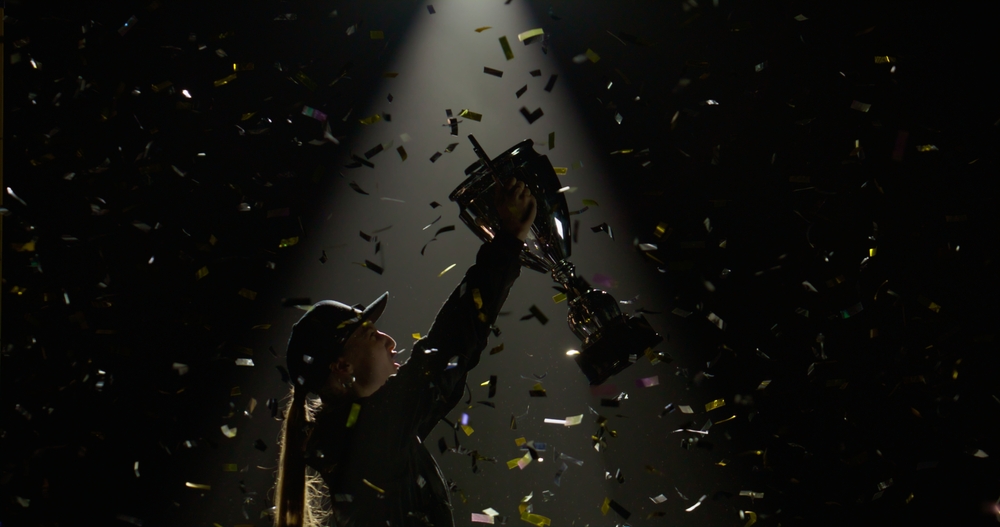
How to structure awards for different classes, skill levels, and podium positions.
Not all trophies should look the same when Sunday rolls around. Class, skill level, and placement all dictate how an award should be designed, scaled, and presented to the riders. Structuring your motocross awards properly ensures your event feels legitimate and rewards competitors appropriately across the board.
Why Trophy Structure Matters in Motocross
Anyone who has run a race weekend knows the logistical hurdles of managing multiple classes per event. You have riders ranging from 50cc beginners to seasoned pros, and their expectations for hardware vary wildly. If you hand a veteran A-class rider the exact same generic plaque as a 4-year-old on a Stacyc, the prestige of your event drops immediately.
Trophy structure dictates how you allocate your budget across different placements. It also determines the visual impact on the podium when photos are taken and shared online. A well-planned award system clearly communicates the hierarchy of the race.
When a rider stands on the box, the hardware they hold tells a story about the effort they put in. A good award structure makes the event feel legit, driving higher registration numbers for your next race.
1st, 2nd, and 3rd Place Trophy Differences
When planning dirt bike trophies for different placements, scaling is your best friend. You want a cohesive look that clearly establishes who won the moto without completely abandoning the overall design theme for the runners-up.
First Place Trophies
The winner’s hardware needs to be unmistakable. First place should feature the largest size and the most detailed design in the lineup. This is where you utilize premium materials or extra physical layers to create depth and weight.
First place is also the most important tier for sponsor visibility. When the winner hoists their award for a photo, title sponsors expect their logos to be highly legible. Make sure the primary branding is front and center.
Second Place Trophies
For the runner-up, the award should be slightly scaled down in height or width. You want to maintain the exact same design language so it clearly belongs to the same race series or event.
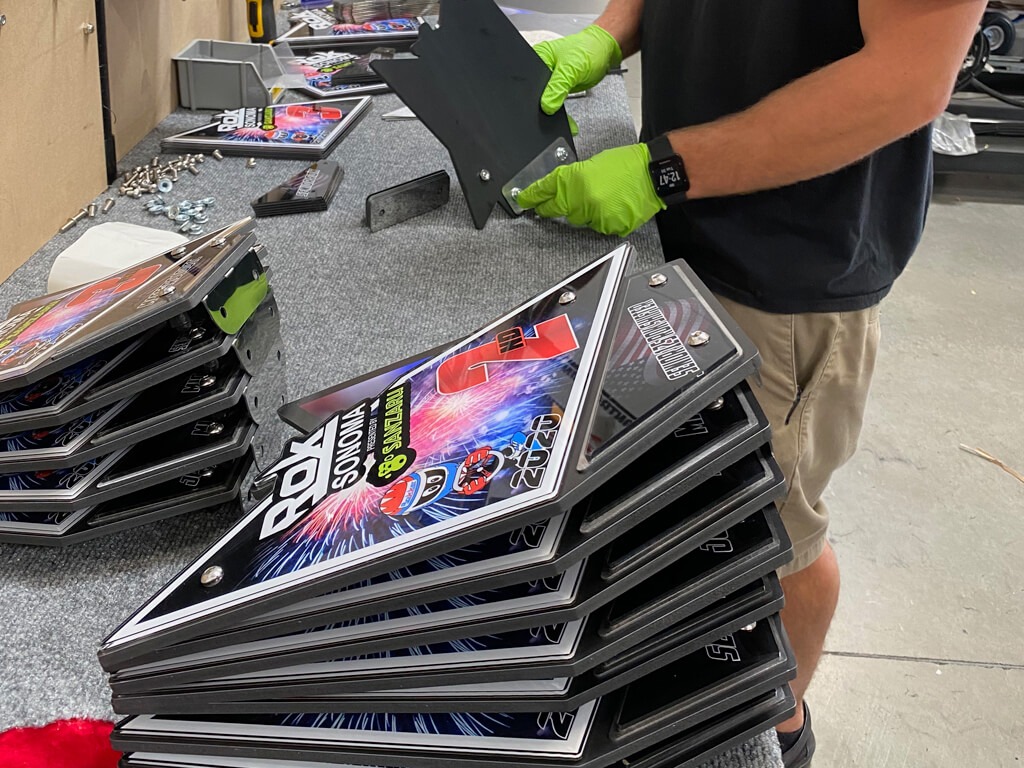
To save on budget and establish hierarchy, use fewer layers or a simpler base. If the first-place award has a three-dimensional background plate, second place might use a flat plate with the same graphical print.
Third Place Trophies
The third-place award needs a clean, simpler version of the main design. It must remain visually consistent with the top two spots but should be highly cost-efficient to produce in volume.
Cost-efficient does not mean it should look cheap. By keeping the color palette and typography identical to the winning motocross trophies, you maintain the prestige of the podium while keeping your budget intact.
Honorable Mentions and Top 5
Many local and regional events pay out awards back to fifth place, especially in youth classes. Medals or smaller acrylic awards are perfect for this. They keep participation recognition alive without blowing your entire event budget on massive custom builds.
Trophy Ideas for Different Motocross Classes
Event organizers must recognize that different age groups and skill levels value different things. Tailoring your motocross awards by class shows riders that you understand the sport and respect their specific division.
Youth Classes (50cc, 65cc, 85cc)
Kids want something that looks cool in their bedroom. Bright colors, lighter materials, and fun shapes work best for the mini classes. Think along the lines of custom number plates, dirt bike silhouettes, or aggressive gear-inspired designs.
Keep the overall weight and size in check. A massive, heavy metal trophy might look impressive, but a seven-year-old needs to be able to safely hold it over their head on the podium.
Amateur Classes
The C and B classes make up the bulk of your entry fees, so you need a balanced design that feels substantial. Clean branding and moderate size and detail are the targets here.
Adult amateurs want hardware that looks professional on a garage shelf or a desk. Focus on sharp typography, clear class identifiers, and durable motocross trophy materials like thick acrylic or machined aluminum.
Pro and Expert Classes
The A classes and pro divisions demand respect. These riders are often competing for cash, but the hardware still matters for their own sponsor obligations and portfolios.
Pro awards require larger, more aggressive designs and premium builds. Strong sponsor integration is non-negotiable, as these are the trophies most likely to end up in magazines or heavily circulated social media posts. They must be designed specifically for podium photos.
Amateur vs Pro Event Trophy Strategy
The strategy shifts dramatically depending on the scale of the race. A local amateur day requires a vastly different approach to production than a regional pro shootout.
For amateur events, your budget is spread across dozens of classes. Consistency over complexity is the rule. You need efficient production methods that allow you to hand out 60 or 70 awards without a massive logistical headache. Scaling a single core design across all classes keeps costs manageable.
Pro and national-level events operate differently. You have fewer classes, which means you need higher impact per award. More custom design work is required, and sponsor-driven layouts dictate the shape and scale of the hardware. The focus shifts from volume to prestige.
Structuring Awards Across Multiple Classes
Figuring out how to keep trophies consistent across classes without making everything look identical is a common struggle. The secret is establishing a core design system and modifying specific variables.
If you are running a 12-class event, use the same base shape and material for everyone. Then, vary the accent colors based on the displacement or age group. The 250 classes might feature red accents, while the 450 classes feature blue.
This approach allows you to scale size and design across placements without redesigning everything from scratch. One design system, scaled across placements and classes, streamlines manufacturing and keeps your branding tight.
Visual Hierarchy on the Podium
How your awards look on the box is the ultimate test of your design strategy. First place needs to stand out instantly from 50 feet away. If spectators can’t tell who won by looking at the hardware, your visual hierarchy has failed.
Height differences are the easiest way to establish this. A strict two-inch step down per placement works perfectly. Layering and depth also catch the sunlight, making the winning award look substantially more valuable.
Readability from a distance is crucial. Avoid tiny, intricate fonts for the placement numbers. Use bold, contrasting colors for “1st”, “2nd”, and “3rd” so they pop in wide-angle photos.
Budgeting Trophy Tiers
Practical planning requires knowing where to spend and where to simplify. You have a finite amount of money from gate fees and rider registrations, and allocating it properly keeps you in the green.
Spend your money on first place and your pro or expert classes. These are the awards that generate hype and marketing collateral for your track. These are also the riders most likely to return if they feel adequately rewarded.
Simplify your lower placements and youth classes. Use thinner materials or flat-printed graphics instead of multi-layered dimensional builds. By reigning in the cost of 4th and 5th place awards, you avoid blowing your budget across too many classes while still sending riders home happy.
Real-World Trophy Structuring Examples
Seeing this in action makes the planning process much easier. Let’s look at a typical local MX event with 12 classes and a moderate budget.
They needed to award top three in every class, plus top five for the 50cc and 65cc kids. To make it work, we designed a custom acrylic piece. First place was a 10-inch layered award. Second was 8 inches, single layer. Third was 6 inches. For the kids’ 4th and 5th places, we used branded aluminum dog tags. The event looked incredibly professional, and the promoter stayed 15% under budget.
Contrast that with a regional series featuring sponsor-heavy trophies for an expert purse race. They needed maximum brand exposure for three title sponsors. We built heavy, 14-inch tall metal and acrylic towers for first place, integrating the sponsor branding for racing events directly into the base and main face. The runners-up received identical shapes scaled down to 11 and 9 inches, maintaining the sponsor visibility entirely.
Need Help Structuring Your Motocross Awards?
Planning a race weekend is stressful enough without having to worry about designing, scaling, and budgeting dozens of pieces of hardware. We can help you design a full award setup based on your specific classes, placements, and event scale.
Our team specializes in creating custom motocross awards that fit your budget while delivering maximum impact on the podium. Let us handle the design system so you can focus on track prep and rider registration.
Frequently Asked Questions
How many trophies should each class have?
This depends on your entry numbers and class type. Most standard amateur classes award the top three riders. Youth classes often award back to fifth place to encourage continued participation. Pro classes usually guarantee hardware for the top three alongside their cash payout.
Should all classes use the same design?
They should use the same design system, but not the exact same design. Keeping a consistent shape or material ties the event together, but you should vary colors, sizes, or decals to differentiate between a 50cc beginner class and a 450 Pro class.
What’s the difference between amateur and pro trophies?
Amateur trophies are designed for efficiency and volume, focusing on clean layouts that look great on a shelf. Pro trophies are larger, heavier, and heavily optimized for sponsor visibility and professional podium photography.
Are youth trophies different?
Yes. Youth motocross podium trophies should be lighter and easier to hold. They also benefit from brighter colors and more aggressive, fun shapes like number plates or motorcycles, whereas adult awards tend to be more sleek and modern.
How do you scale trophies across placements?
The most effective way is through height and depth. Drop the overall height by one to two inches per placement. For depth, use multiple layers of material for first place, and reduce the runners-up to single-layer or flat-printed versions of the same design.
How do I fit custom awards into a tight event budget?
Focus your spending on first place. By making the winner’s award substantial, you establish the value of the race. You can then use highly cost-efficient materials and simplified designs for the remaining placements, ensuring everyone gets recognized without breaking the bank.
Ready To Get Your Event Awards Started?
Elevate your event with FREE Design & Fast Shipping custom acrylic awards & trophies! Order high-quality, custom designed acrylic plate awards plaques and trophies for sports, racing, and more. Fast shipping, affordable prices.
Browse Our Trophies & Awards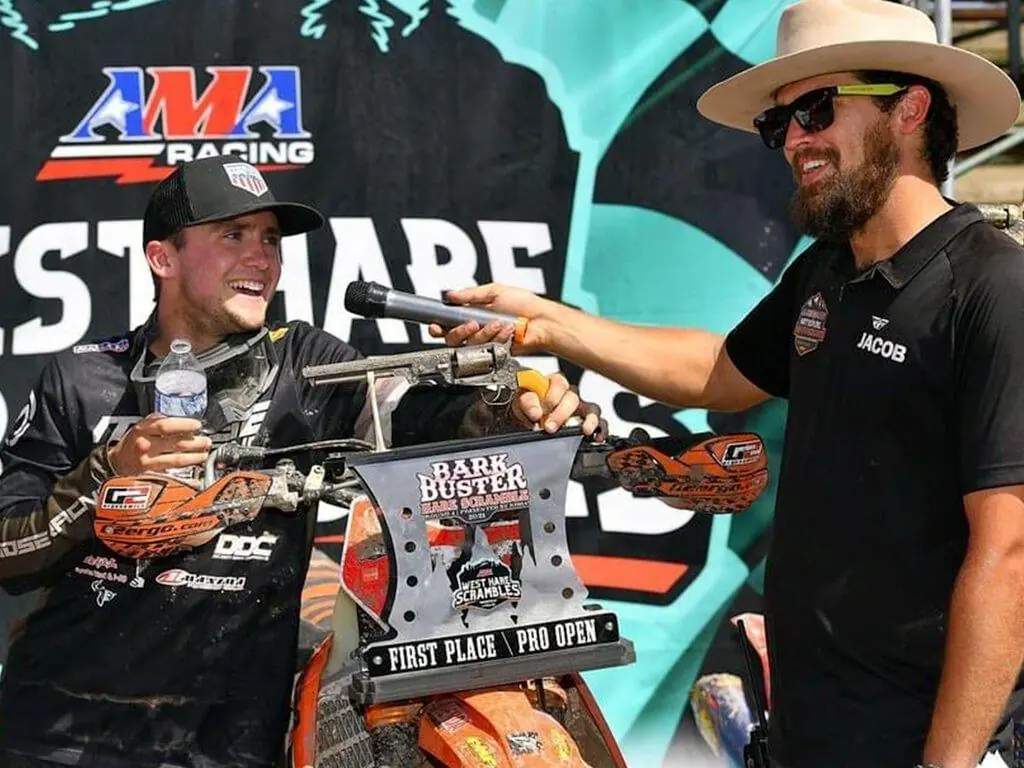
The equivalent decision at a car show is how many judged categories the field can carry — see car show award categories.


