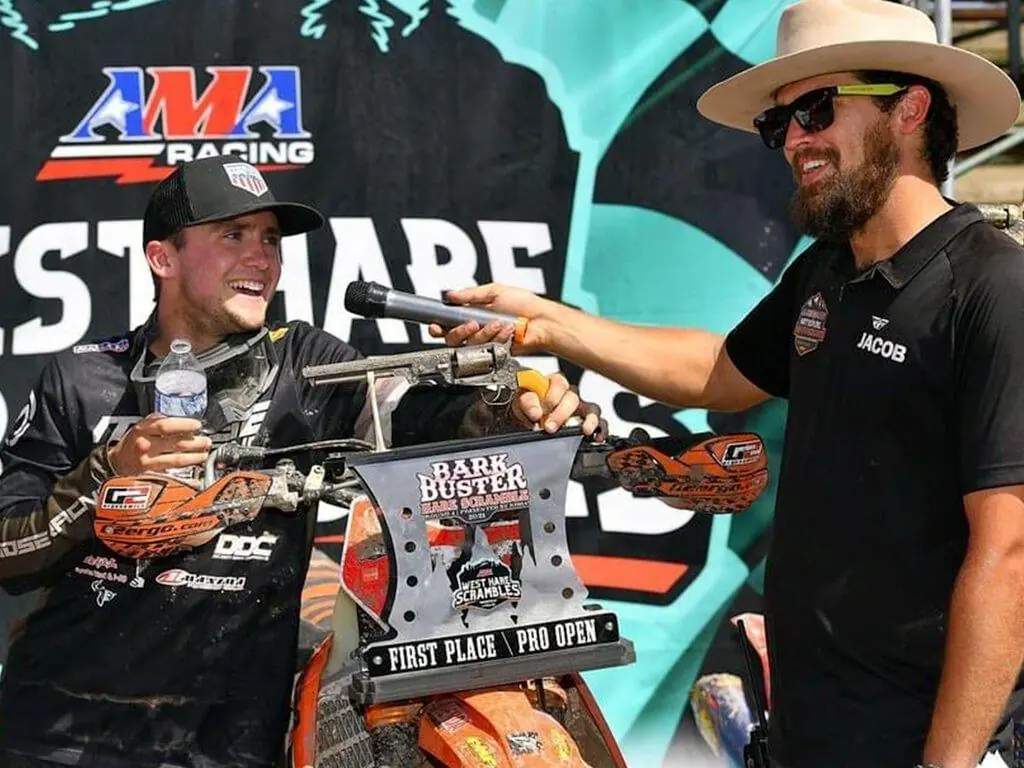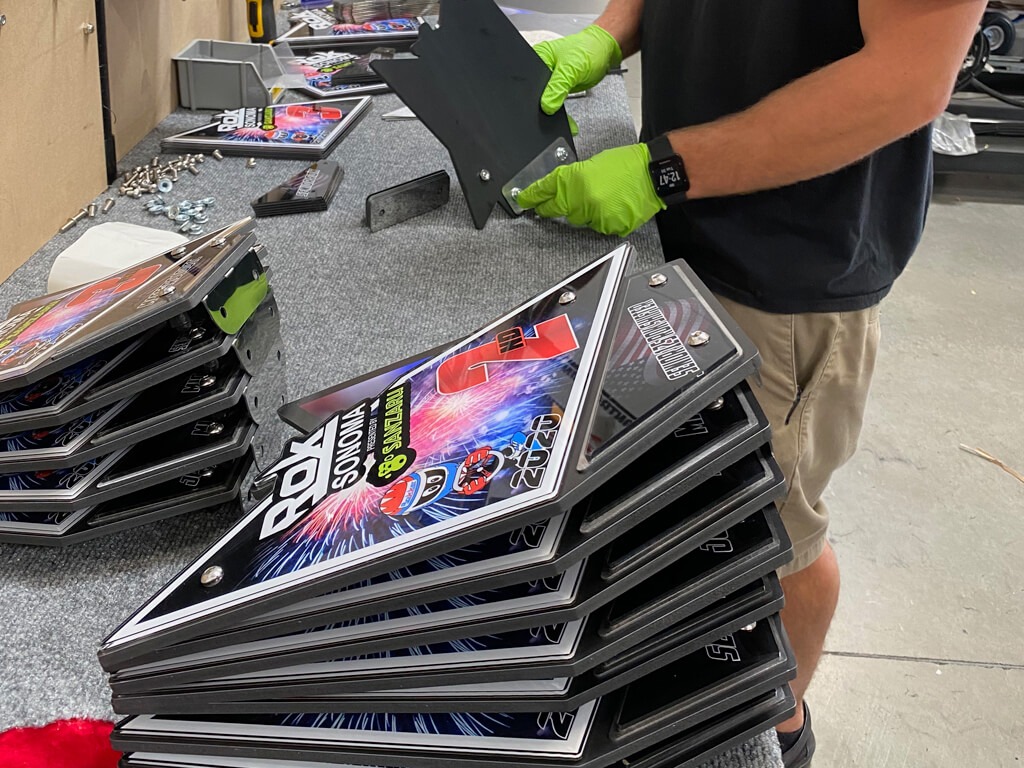

Structural design, base weight, and real-world durability for motocross events.
Race day is notoriously rough on equipment, and the awards are no exception. Movement, transport, and the harsh outdoor environment all play a role in whether an award makes it to the podium in one piece. Good racing trophy design isn’t just visual. It requires a deep understanding of structural integrity and physical balance.
If a trophy looks amazing in a rendering but shatters in the back of a trailer, the design has failed. You need durable motocross trophies built specifically for the realities of the track. This guide covers the engineering, weight distribution, and practical choices required to build awards that survive real-world conditions.
Why Trophy Design Matters in Motocross
A trophy has to survive long before it ever reaches the hands of a winning rider. Motocross events involve dirt, heavy vibration, and constant handling by multiple staff members. Fast-paced setups and breakdowns mean awards are often moved quickly, sometimes without the utmost care.
Outdoor unpredictability adds another layer of complexity. Sudden wind gusts, uneven staging areas, and extreme temperatures can easily compromise a fragile build. When you are planning motocross trophy ideas, the primary focus must be on structural survival. An award that snaps at the base or tips over in the wind creates a frustrating experience for the promoter and a disappointing moment for the athlete.
Structural Design: Building for Stability
Most people look at a trophy and judge the aesthetics. Experienced event organizers look at a trophy and judge the center of gravity. How to design trophies for a rugged environment starts with structural engineering.
Balanced Design
The center of gravity is the most critical factor in outdoor trophy durability. A design that carries too much weight at the top acts like a pendulum waiting to fall. The bulk of the physical mass must remain low. A balanced design ensures that the award remains grounded, even if the staging table is bumped or the wind picks up.
Layered Construction
Relying on a single point of failure is a massive risk. Layered construction provides structural reinforcement by distributing stress across multiple attachment points. When you connect different elements of the award, those joints must be secured tightly and reinforced. Adhesives should be paired with mechanical fasteners when possible to prevent shearing during transport.
Size vs Stability
A common misconception is that larger awards are inherently more impressive. However, bigger isn’t always better if the scale doesn’t match the structure. A massive, towering award requires an equally massive footprint to remain stable. If you stretch the height without expanding the base, you create a tipping hazard. Every increase in vertical size demands a proportional increase in foundational support.
Avoiding Fragile Elements
Thin extensions, sharp unprotected points, and weak joints are the first things to break on race day. An intricate, spindly design might look striking on a desk, but it will not survive being pulled out of a cardboard box in a dusty pit area. Design elements should be thick enough to withstand incidental contact. Support structures should be integrated directly into the visual design to reinforce any overhanging parts.
Base Weight & Foundation
The base is what determines whether the trophy stands or fails. It anchors the entire structure and dictates how the award interacts with the surface beneath it.
Why Base Weight Matters
A heavy base prevents the award from tipping over in strong winds or when placed on uneven ground. Tracks rarely have perfectly level staging areas. Beyond sheer physics, base weight adds perceived value. When a rider is handed a heavy, solid award, it feels substantial and earned. A lightweight base feels cheap and is structurally dangerous in an outdoor setting.
Finding the Right Balance
There is a delicate balance to strike with weight. A base that is too light leaves the entire structure vulnerable to tipping. A base that is too heavy makes the award difficult to transport in bulk. Event staff have to lift and carry boxes containing dozens of these awards. The goal is to maximize the footprint and anchor the bottom without creating an unmanageable logistical nightmare for the promoter.
Common Base Materials
Choosing the right base material directly impacts both weight and durability. Thick acrylic bases offer excellent stability while maintaining a modern, clean look. They can be layered to increase thickness and mass. Weighted components, such as solid metal plates or dense composite woods, provide intense gravity at the very bottom of the structure. Many of the most successful designs use hybrid builds, combining heavy structural plates with lighter visual elements on top.
Designing for Transport & Handling
Awards spend the vast majority of their lifespan in transit. Ignoring the transport phase is one of the biggest oversights in racing trophy design.
Packing & Movement
Trophies get stacked, carried, and moved multiple times before the checkered flag waves. The design should account for friction and contact between awards when they are packed in a box. Protruding elements that snag on packing materials or other trophies will inevitably snap. Smooth, consolidated profiles pack tightly and travel safely.
Truck & Trailer Transport
Vibration and shifting are constants in a truck or trailer. Hours of highway driving transfer intense kinetic energy directly into the joints of the awards. Space efficiency is also crucial for promoters hauling massive amounts of gear. Awards that nest well or have uniform footprints take up less space and are far less likely to tip over and crush one another inside a moving trailer.
Setup & Breakdown Speed
Event staff need to be able to pull awards out of a box and stage them immediately. They do not have time to handle each piece like a delicate glass sculpture. Awards must be easy to unload and not fragile during handling. If a staff member grabs an award by the top, the connection to the base must be strong enough to support the entire weight of the piece without separating.
Designing for Real Race Conditions
Real race conditions are entirely unforgiving. Wind is the most common adversary, easily knocking over awards that lack a proper base or feature a solid, sail-like surface area. Dust and dirt creep into crevices, meaning designs should be relatively easy to wipe down before the podium presentation.
Heat can also be a factor, particularly if adhesives are used without mechanical support. Direct afternoon sun can soften poor-quality glues, causing layers to slide or detach. Uneven surfaces are guaranteed at a dirt track. By keeping the center of gravity low and the base wide, you ensure that the award remains upright even when resting on a warped folding table or a patch of gravel.
Common Design Mistakes That Fail on Race Day
Understanding what goes wrong is the best way to learn how to design trophies correctly. The most frequent failure point is top-heavy construction. A massive logo plate mounted to a tiny pedestal is guaranteed to fall over.
Thin, unsupported elements are another frequent casualty. A design featuring a motorcycle suspended by a thin piece of material will almost certainly break from trailer vibration. Weak base construction, where the primary upright is attached with a single screw or a dab of glue, will shear off the moment it gets bumped. Overcomplicated, fragile designs simply do not belong at a motocross track.
How We Approach Durable Trophy Design
Our methodology starts with thinking through the structure first. Before we lock in the visual aesthetics, we determine how the piece will stand, how it will be assembled, and how it will travel.
We balance bold design with uncompromising durability. This means making smart compromises—thickening a specific connection point or widening a base plate—to ensure the award actually survives. We plan for real event conditions because we understand the environment. It is a highly practical approach that prioritizes the event organizer’s peace of mind just as much as the winning rider’s excitement.
Connecting Design to Materials
The choices you make during the design phase are deeply intertwined with the materials you select. Material choice dictates weight, flexibility, and joint strength.
Acrylic supports layered builds beautifully, allowing for vibrant colors and extreme thickness without becoming brittle. Metal provides rigid strength, but using too much high up on the award raises the center of gravity and hurts stability. If you want to dive deeper into how specific substrates perform at the track, explore our comprehensive guide on motocross trophy materials.
Real-World Example
Consider a recent national amateur event that required hundreds of awards to be hauled across the country in a heavily packed gear trailer. The transport challenges were severe, with limited space and a high likelihood of rough handling.
We designed a series of custom awards using a wide, triple-layered acrylic base to keep the center of gravity pinned to the table. The upright elements featured negative space to allow wind to pass through, rather than acting as a sail. All connection points were secured with specialized hardware rather than just adhesive. Not a single award broke during the 1,500-mile journey or tipped over during the windy outdoor presentation.
Need Trophies That Actually Hold Up on Race Day?
We design awards that look good and survive real event conditions—from transport to the podium. Stop worrying about broken pieces in the back of your trailer and start handing out hardware that reflects the grit of the sport.
Frequently Asked Questions
What makes a trophy stable?
Stability comes from a low center of gravity and a wide foundational footprint. By keeping the heaviest materials at the bottom and ensuring the base is wide enough to support the height, the award resists tipping from wind or bumps.
How heavy should a trophy base be?
The base should make up the majority of the award’s total weight. While the exact weight varies based on the overall size, it should be heavy enough to anchor the piece in outdoor winds, but light enough that event staff can easily carry a box of them.
Do trophies break during transport?
Yes, transport is the most common time for awards to break. Vibration from trailers, friction between packed items, and rough handling by staff can easily snap thin elements or shear weak connection joints.
What designs are most durable?
The most durable designs utilize layered construction, wide bases, and thick structural elements. They avoid top-heavy layouts, fragile overhanging pieces, and single points of failure at the connection joints.
How do you prevent trophies from tipping over?
To prevent tipping over, design the award with a heavy, wide base and avoid creating large, solid surfaces near the top that catch the wind. A low center of gravity is the most effective defense against uneven tables and outdoor gusts.
Ready To Get Your Event Awards Started?
Elevate your event with FREE Design & Fast Shipping custom acrylic awards & trophies! Order high-quality, custom designed acrylic plate awards plaques and trophies for sports, racing, and more. Fast shipping, affordable prices.
Browse Our Trophies & Awards